Powell River Top General Contractor for Home Renovation Services
General Contractor: Your Valuable Partner for Household Projects
A general contractor performs an vital role in residential undertakings. They coordinate numerous aspects of construction, ensuring that operations proceed without issues. Their expertise in building codes and requirements allows them to work through the difficulties of permits and inspections. This expert acts as an essential connection between homeowners and subcontractors. Yet, many homeowners feel uncertain about the entire scope of their services. Learning about these particulars can have a major impact on the success of any renovation project.
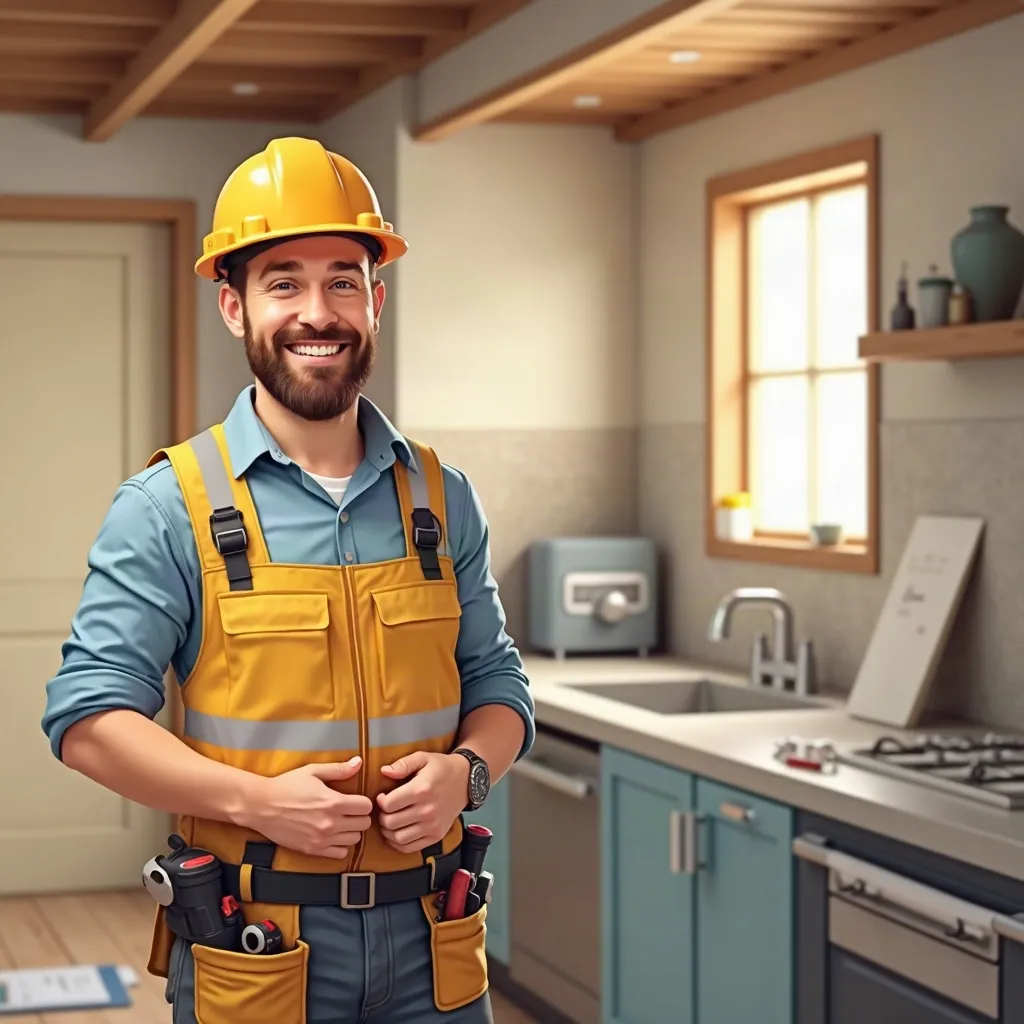
Which Responsibilities Does a General Contractor Do?
A general contractor directs the different components of a building endeavor, guaranteeing that everything runs smoothly from beginning to end. They serve as the main liaison, managing correspondence between clients, specialized contractors, and vendors. This position includes developing the construction schedule, organizing workforce, and ensuring compliance with regional construction standards and regulations.
General contractors are responsible for acquiring required licenses and arranging inspections, which are vital for maintaining safety and quality standards. They also handle budgeting, sourcing materials, and managing on-site activities to prevent any possible setbacks or complications. In addition, they oversee subcontractors, ensuring that each phase of construction conforms to project specifications and timelines. Overall, a general contractor's expertise and organizational skills are crucial for delivering a successful construction project, turning a client's vision into reality while managing multiple duties and obligations.
Benefits of Contracting a General Contractor for Home Renovations
Engaging a a general contractor for home report renovations delivers numerous advantages that can substantially enhance the quality and efficiency of the project. Experienced contractors deliver knowledge in overseeing projects, guaranteeing that timelines are met and materials are managed efficiently. Their long-standing relationships with subcontractors can result in competitive pricing and outstanding quality, which ultimately helps homeowners by saving both time and money.
Furthermore, general contractors handle the intricate details of approvals and reviews, limiting potential legal issues. They also supply a one main contact, facilitating interaction and management among multiple specialists. This streamlining reduces the probability of errors and postponements.
Moreover, their background permits them to predict potential challenges, making possible prompt resolutions to maintain the project on track. By hiring a general contractor, homeowners can focus on their vision while enjoying peace of mind, knowing that a professional is supervising every aspect of the renovation.
Dispelling Common Myths Surrounding General Contractors
Although many property owners may have misunderstandings about contracting professionals, grasping the realities can lead to more informed decisions. A common myth is that hiring a general contractor is unnecessary for small projects; still, their expertise can ease even minor renovations, ensuring compliance with local codes. Another frequent belief is that general contractors are just middlemen, but they often have extensive knowledge in different fields, allowing them to direct projects smoothly. Moreover, some homeowners assume that working with a contractor will greatly raise costs. In reality, a skilled contractor can often obtain better deals for materials and labor through long-standing relationships with vendors and subcontractors. Lastly, many think that contractors are inflexible, but reliable contractors focus on client communication and work closely to satisfy specific needs. Clearing up myths can empower clients to harness the actual value of general contractors when completing successful home projects.
Selecting the Right General Contractor?
How can homeowners ensure they select the right general contractor for their projects? The approach begins with thorough research. Property owners should obtain suggestions from friends, family, and online reviews to identify qualified contractors. Once a list is assembled, verifying credentials, such as licensing, insurance, and bonding, is vital to confirm legitimacy.
Next, homeowners should solicit and assess portfolios of previous work, emphasizing projects similar in scope. Setting up interviews allows property owners to determine suitability, addressing deadlines, finances, and goals. It's also prudent to gather multiple bids for contrast, providing a clear understanding of costs.
Examining references gives perspective on a contractor's dependability and expertise. Ultimately, trusting one's instincts is essential; an initial meeting can reveal much about a contractor's way of communicating and methodology. By following these steps, homeowners can significantly boost their likelihood of picking a general contractor who suits their project needs and vision.
Powerful Communication Tactics For Working Alongside Your General Contractor
How can homeowners employ techniques to ensure strong exchanges with their general contractor? Initiating clear interaction from the start is essential. Homeowners must plainly communicate their expectations, project targets, and spending restrictions during first discussions. Consistent information can be supported through arranged gatherings, making certain that both parties stay synchronized throughout the project.
Leveraging documentation records, like email exchanges and project logs, strengthens spoken arrangements and reduces misunderstandings. Homeowners should equally support open dialogue by soliciting responses and inquiries from the contractor, fostering a cooperative environment.
Moreover, employing digital tools, including project management apps, can improve communication by offering a centralized platform for exchanging updates, timelines, and changes. Finally, being respectful and accessible can strengthen connection, allowing it simpler for the contractor to convey challenges or suggestions effectively. By implementing these approaches, homeowners can cultivate a productive and transparent partnership with their general contractor.
What You Should Know When Your Project Gets Underway?
As the work commences, homeowners can expect a flurry of action on-site. The lead contractor will manage teams of skilled tradespeople, along with electricians, plumbers, and carpenters, who will get started their work following the set schedule. Homeowners may witness equipment and goods being brought in, fostering a bustling feel.
Staying in communication is essential during this period. The contractor will deliver updates on progress made and resolve any worries that emerge. Homeowners should ready themselves for potential disruptions, such as noise and restricted access to certain areas of the home.
Safety measures will be in place to protect both workers and residents, maintaining a secure environment. Additionally, homeowners may be encouraged to copyright flexibility, as unforeseen issues can arise, necessitating adjustments to the original plan. Overall, this initial phase sets the stage for the successful completion of the project, and active cooperation is essential.
Basic Concerns for Your General Contractor Understanding?
Identifying the correct questions to pose when finalizing a general contractor agreement is crucial for ensuring a smooth project. Homeowners should inquire about the contractor's license and insurance to validate their qualifications and protection against liabilities. Understanding the project schedule and milestones is meaningful; therefore, asking about anticipated completion dates helps regulate expectations.
It is also crucial to establish payment terms, such as upfront payments and payment timelines, to prevent misunderstandings. Property owners should request a comprehensive itemization of costs, covering materials and workmanship, to guarantee clarity. Additionally, discussing the procedure for managing changes or unexpected problems can avoid conflicts later on.
In conclusion, property owners must investigate details about subcontractors and their qualifications, as well as the contractor's communication approach throughout the project. By considering these questions, homeowners can develop a strong relationship with their general contractor, ultimately leading to a successful construction project.
Popular Questions Asked Often
How Do General Contractors Determine Their Fees for Services?
Contractors usually charge by way of flat fees, hourly rates, or a proportion of the overall budget. Their costs may also contain building materials, labor, and overhead, subject to the intricacy and breadth of the project.
Can a General Contractor Help With Permits and Assessments?
Yes, a general contractor can support securing permits and overseeing inspections. They routinely work with local codes and confirm adherence, streamlining the process for homeowners while enabling necessary authorizations throughout the construction undertaking.
What Qualities Should I Locate in a General Contractor?
When picking a general contractor, one should assess professional credentials such as licensing, insurance, experience in relevant projects, excellent references, and strong interpersonal abilities, ensuring they possess the necessary expertise to handle the project successfully.
How Much Time Does a Common Home Renovation Job Need?
A typical home renovation project can require anywhere from a few weeks to several months, depending on the scope, complexity, and size of the project, as well as the accessibility of materials and labor.
What Happens if My Assignment Goes Over Financial Limits?
Should a project go over budget, the builder usually communicates the causes and alternatives with the property owner. Modifications may include scaling back, seeking additional funding, or adjusting the project parameters to conform to financial limits.